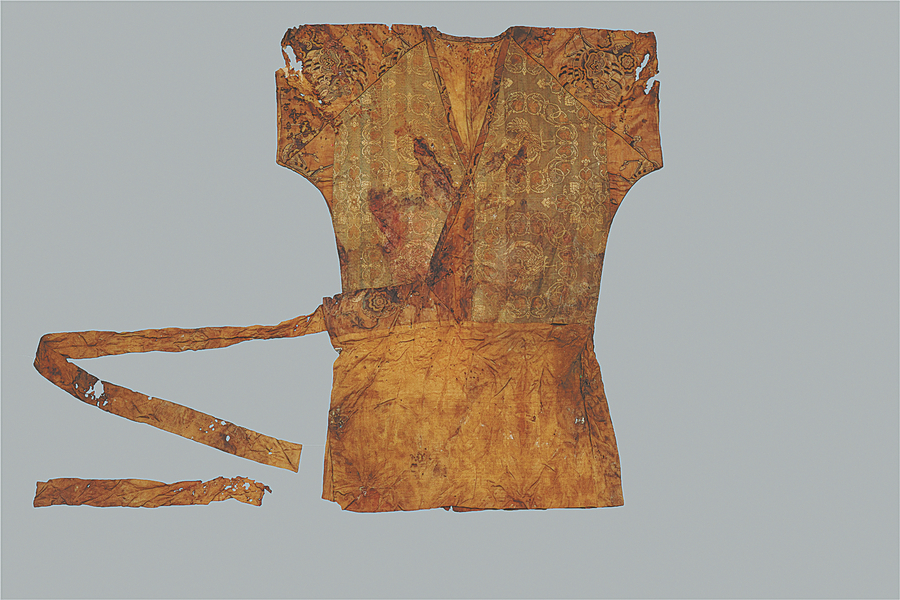
Noble Graveyard of Tuyuhun People in Wuwei, Gansu
Introduction
The Noble Graveyard of Tuyuhun People in Wuwei, Gansu province, is a significant archaeological site that shines a light on the rich cultural tapestry and historical intricacies of the Tuyuhun, an influential nomadic group in ancient China. These graveyards offer an invaluable glimpse into the life and times of the Tuyuhun people, revealing artifacts that depict their cultural sophistication and historical significance. The site is famed for its remarkable collection of silk pieces, gold and silver artifacts and various other items that underline the prosperity and distinctiveness of the Tuyuhun culture. The discovery of these graveyards is not only crucial for understanding the Tuyuhun people's way of life but also offers broader insights into the regional history and cultural exchanges in ancient China, specifically during the Tang Dynasty (618-907) era.
Historical Background
The Tuyuhun were a prominent nomadic group that emerged in Northern China during the early centuries of the Common Era. Originating from the Xianbei ethnic group, they played a pivotal role in the region's history due to their strategic position along the Silk Road. This location not only facilitated trade and cultural exchanges but also positioned the Tuyuhun as intermediaries between various powerful empires of the time. The Tuyuhun established a kingdom that spanned parts of present-day Qinghai, Gansu and Sichuan provinces. Their kingdom thrived during the Tang Dynasty, a period marked by significant interaction between diverse ethnic groups across China. This era was characterized by an unprecedented level of cultural exchange, which contributed to the formation of a united national identity. The noble graveyards in Wuwei serve as a testament to the Tuyuhun's influence during this period, both as a cultural entity and as a formidable political force in the region.
Discovery and Excavation
Archaeological Findings
The excavation of the noble graveyards in Wuwei has yielded a rich array of findings that highlight the cultural sophistication and wealth of the Tuyuhun people. Among the artifacts unearthed are exquisite silk pieces that demonstrate the advanced textile techniques and aesthetic sensibilities of the time. Additionally, the discovery of gold and silver artifacts points to the Tuyuhun's wealth and their connections with other civilizations along the Silk Road. These items not only reflect the material culture of the Tuyuhun but also suggest a high degree of craftsmanship and artistry. Furthermore, the presence of various ceremonial objects indicates the significance of ritual practices among the Tuyuhun, providing clues about their social structure and belief systems. The excavation has also revealed an array of tombs, which, through their construction and contents, offer insights into the burial customs and hierarchical nature of Tuyuhun society.
Excavation Process
The excavation process at the noble graveyards of Tuyuhun in Wuwei followed meticulous archaeological methodologies to ensure the preservation and accurate documentation of artifacts. Archaeologists employed a systematic excavation approach, beginning with detailed site surveys to identify potential areas of significance. Careful stratigraphic analysis was conducted to understand the chronological development of the site. Advanced technologies, such as ground-penetrating radar and 3D scanning, were utilized to map the site's layout and uncover sub-surface features without causing undue disturbance. Throughout the excavation, conservators worked alongside archaeologists to stabilize fragile artifacts immediately upon discovery, protecting them from deterioration. This collaborative effort between various experts ensured that the excavation was conducted with sensitivity to the site's historical importance and with an emphasis on preserving its integrity for future study.
Cultural Significance
Contribution to Tuyuhun Studies
The noble graveyards of the Tuyuhun in Wuwei have significantly contributed to the study of the Tuyuhun people, providing tangible evidence of their cultural practices and societal structures. The artifacts discovered at the site have enriched our understanding of Tuyuhun craftsmanship, trade relations and cultural exchanges during the Tang Dynasty. The silk pieces unearthed highlight the Tuyuhun's involvement in the Silk Road trade network, underscoring their role as both consumers and producers of luxury goods. Additionally, the discovery of ceremonial objects has shed light on the Tuyuhun's religious beliefs and ritual practices, offering new perspectives on their social hierarchy and governance. By filling gaps in the historical narrative of the Tuyuhun, these findings have advanced academic studies and have helped to piece together a more comprehensive picture of this influential group in ancient China.
Influence on Regional History
The noble graveyards of the Tuyuhun are not only significant for their contributions to Tuyuhun studies but also for their broader impact on understanding regional history. The graveyards provide key insights into the cultural and political dynamics of the time, highlighting the interactions and exchanges between the Tuyuhun and neighboring civilizations. These interactions played a crucial role in shaping the historical landscape of the region, influencing trade routes, cultural practices and even political alliances. The Tuyuhun's strategic location along the Silk Road facilitated the exchange of goods, ideas and technologies, contributing to the cultural richness of the region. By examining the artifacts and burial customs found in the graveyards, historians can gain a deeper understanding of the Tuyuhun's role in regional history and their lasting impact on the cultural heritage of China.
Preservation and Protection
The preservation and protection of the noble graveyards in Wuwei are of paramount importance, given their historical and cultural significance. Efforts have been made to implement conservation strategies that safeguard the site and its artifacts from environmental and human-induced threats. This includes measures such as controlling the site's microclimate to prevent deterioration of delicate artifacts and employing modern materials and techniques to stabilize and repair fragile structures.
Additionally, there is an emphasis on raising public awareness about the importance of preserving cultural heritage, encouraging community involvement in site protection. Collaborative efforts between local authorities, archaeologists and conservationists aim to ensure that the graveyards remain intact for future generations to study and appreciate. These preservation initiatives are crucial in maintaining the site's integrity and in promoting its potential as a valuable educational and research resource.








